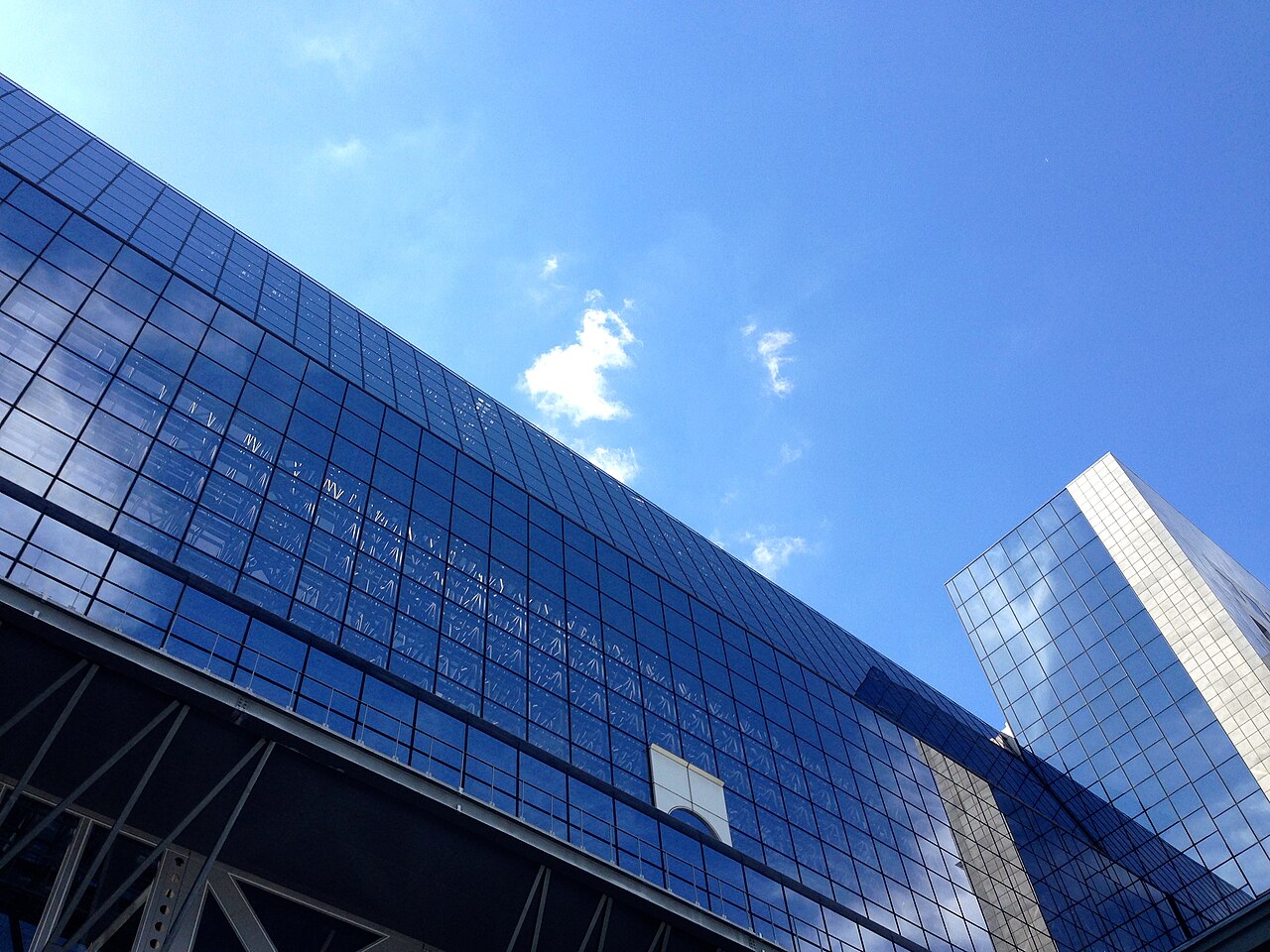
Kyoto Station Area
Kyoto's transport hub combines station architecture, viewpoints, Hongwanji temples, and a railway museum for arrival or departure days.
- Time
- Half day to full day
- Places
- 5
Kansai's temples, castles, port districts, and entertainment centers can look close on a map while crowds and transfers consume time. Kyoto and Osaka are split into station-based areas with practical one-way routes.
Kyoto's transport hub combines station architecture, viewpoints, Hongwanji temples, and a railway museum for arrival or departure days.
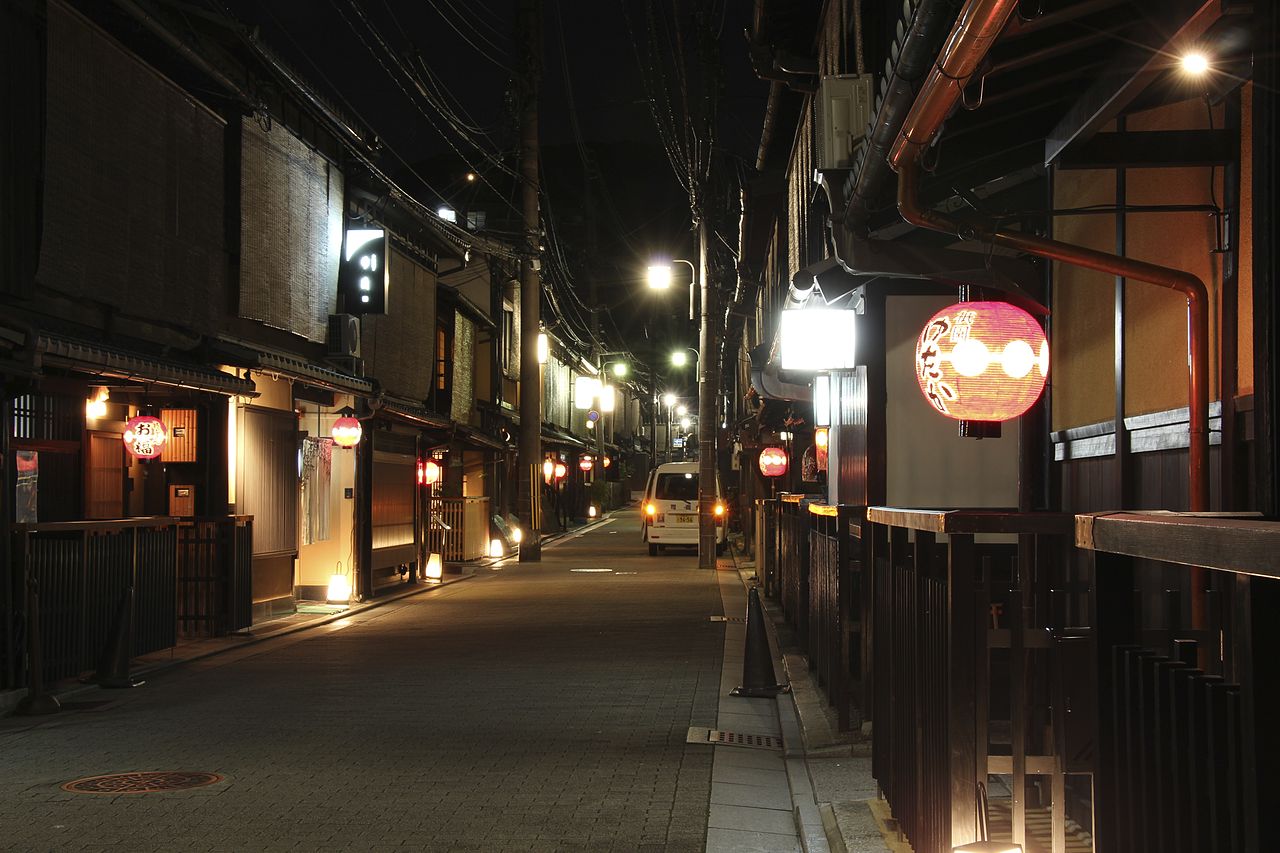
Kyoto's signature historic district links Kiyomizudera, Yasaka Shrine, Gion, Zen temples, and stone-paved slopes on foot.
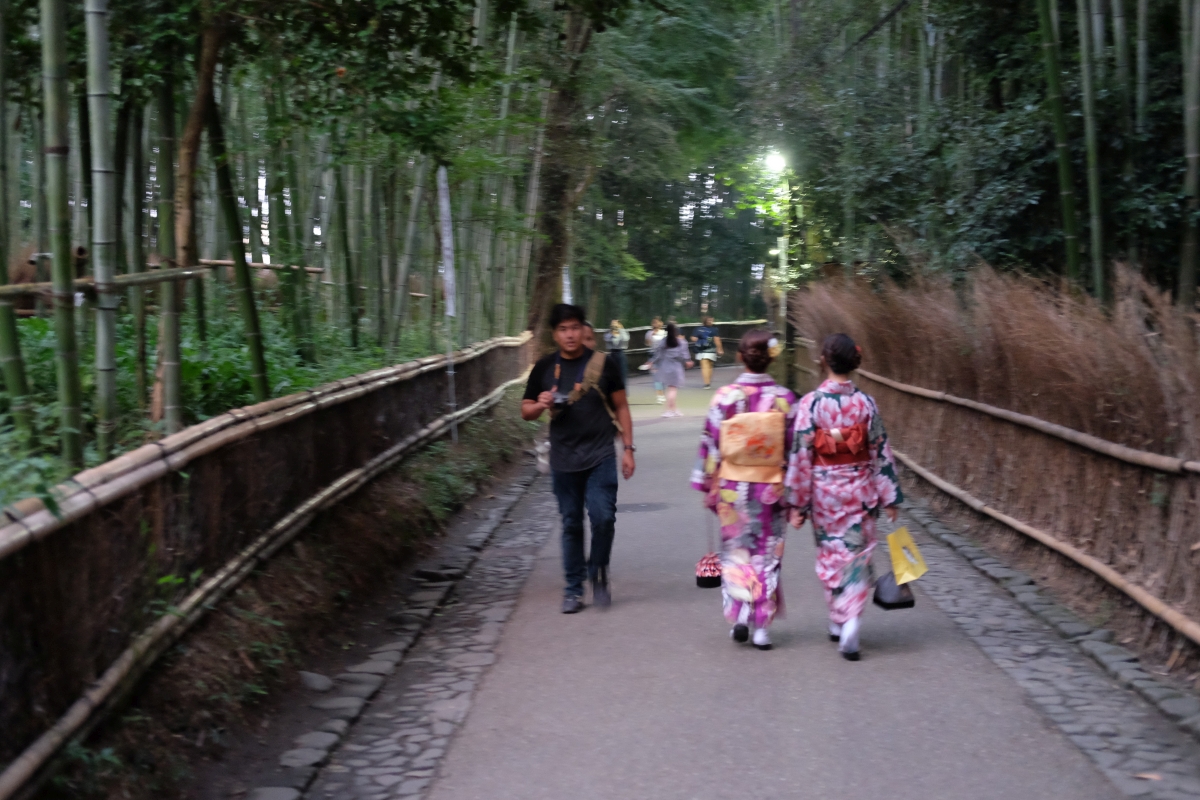
Western Kyoto's bamboo grove, Tenryuji, Togetsukyo Bridge, hill views, and gardens are reached through three different rail gateways.
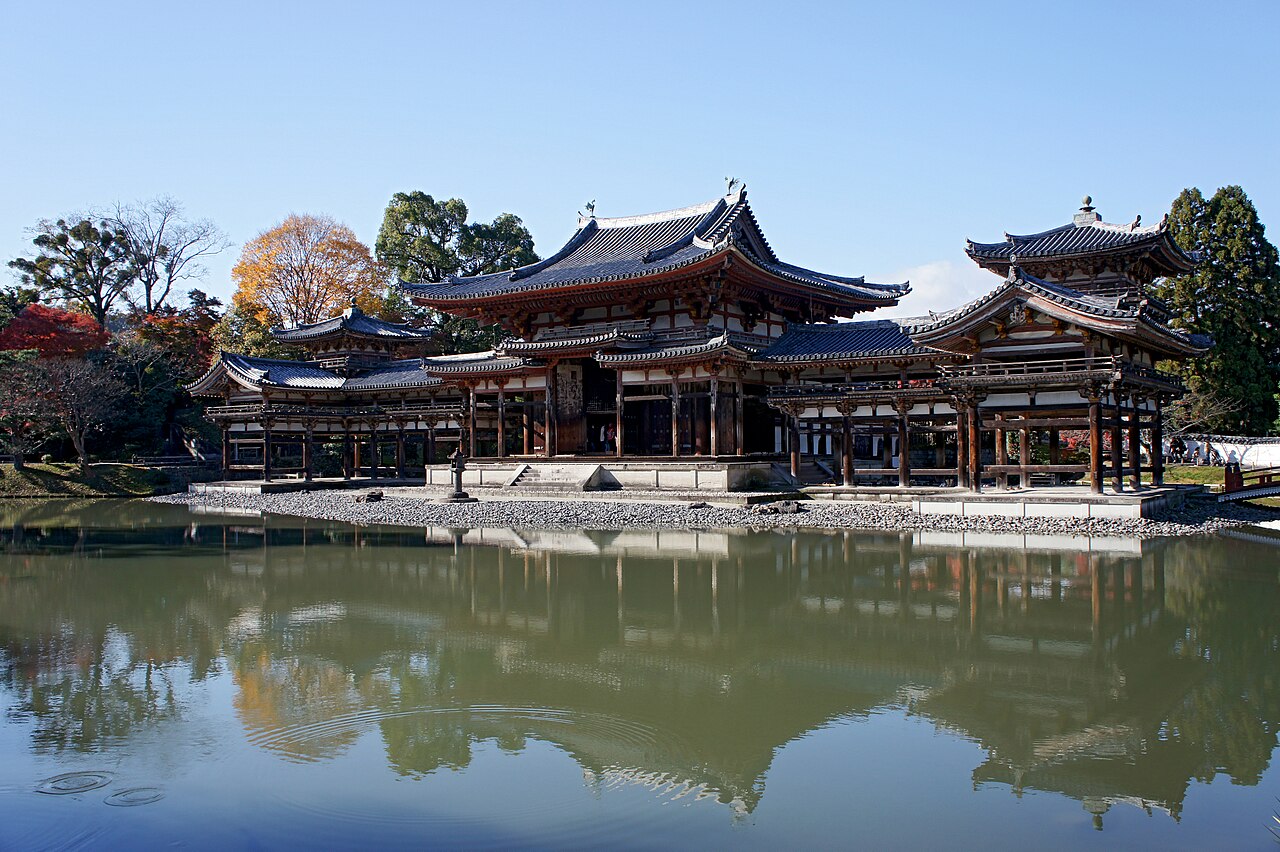
A southern Kyoto city linking Byodoin, Ujigami Shrine, tea shops, Tale of Genji interpretation, and a flower temple across the Uji River.
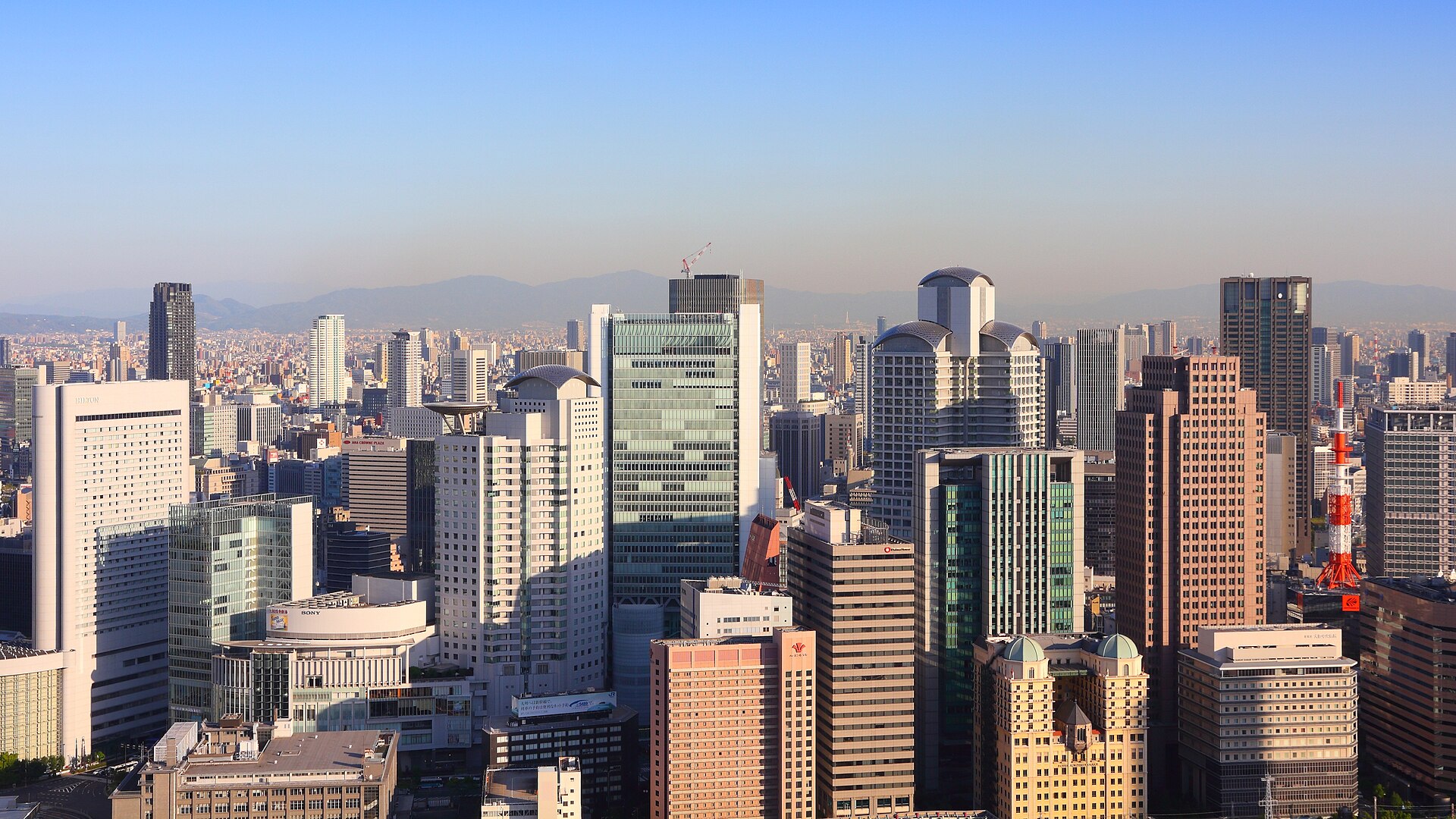
Northern Osaka's gateway links skyline views, station architecture, commercial complexes, and Nakanoshima museums through underground passages and walking.
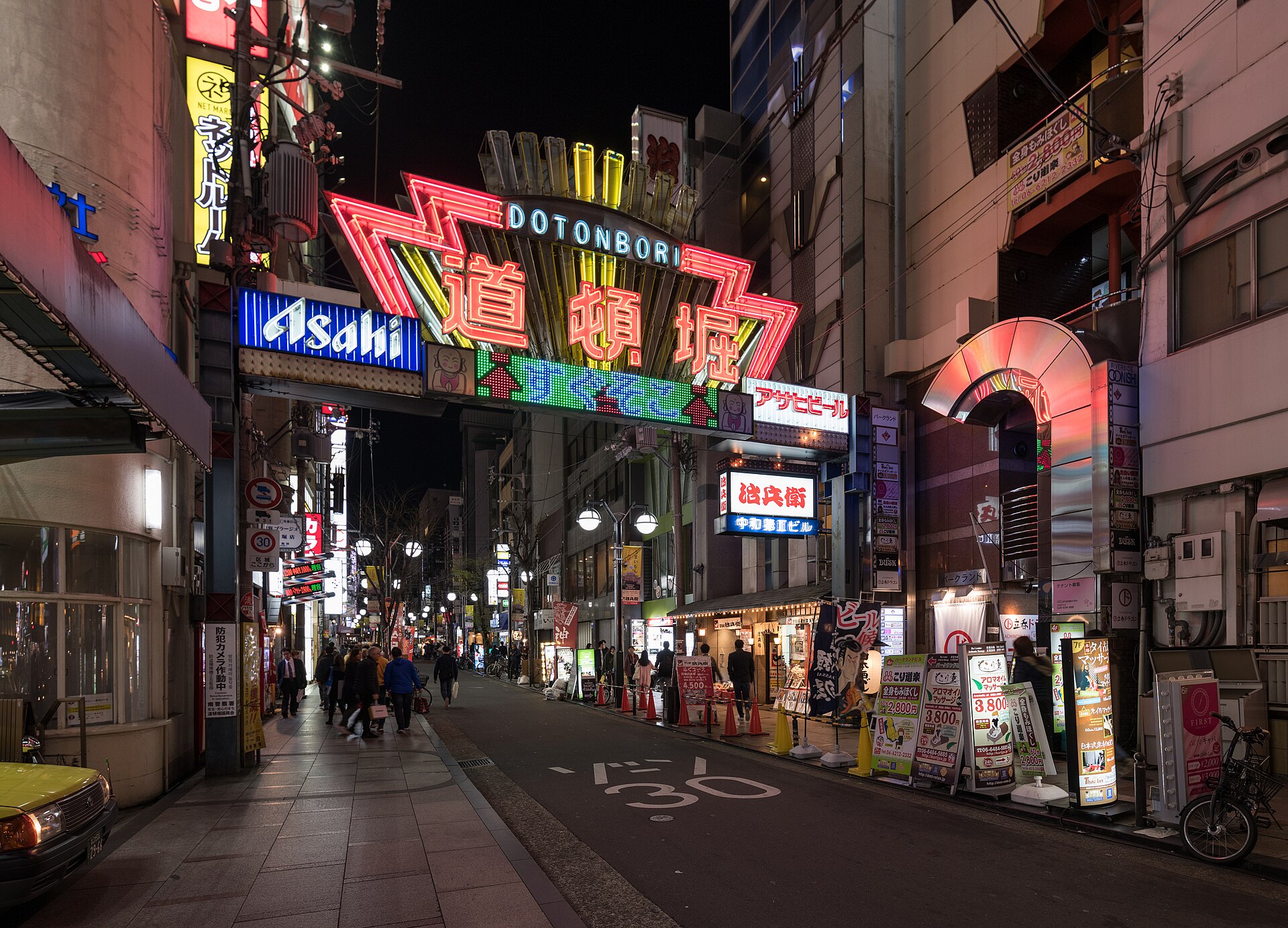
Southern Osaka's entertainment center links Dotonbori, Hozenji, Kuromon Market, Namba Yasaka Shrine, and Shinsaibashi from several Namba stations.
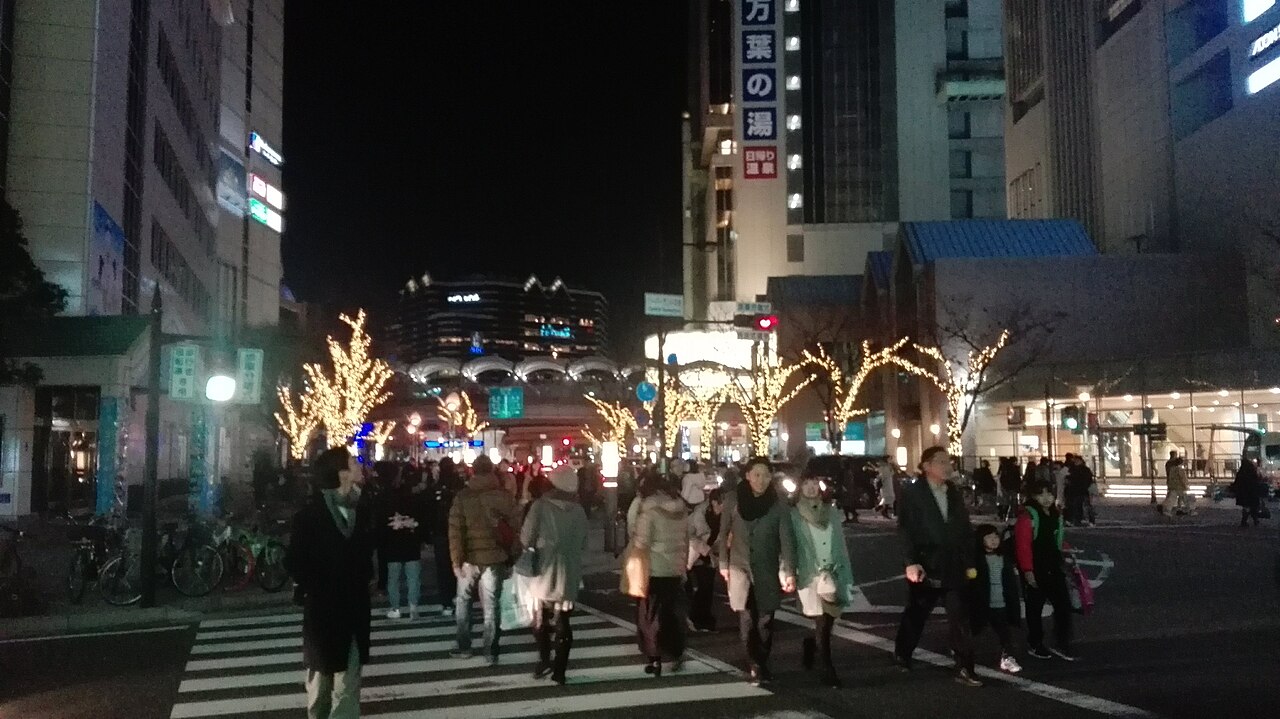
An international port city split between the waterfront parks, Harborland, Chinatown, Kitano's Western houses, and the hillside herb garden.
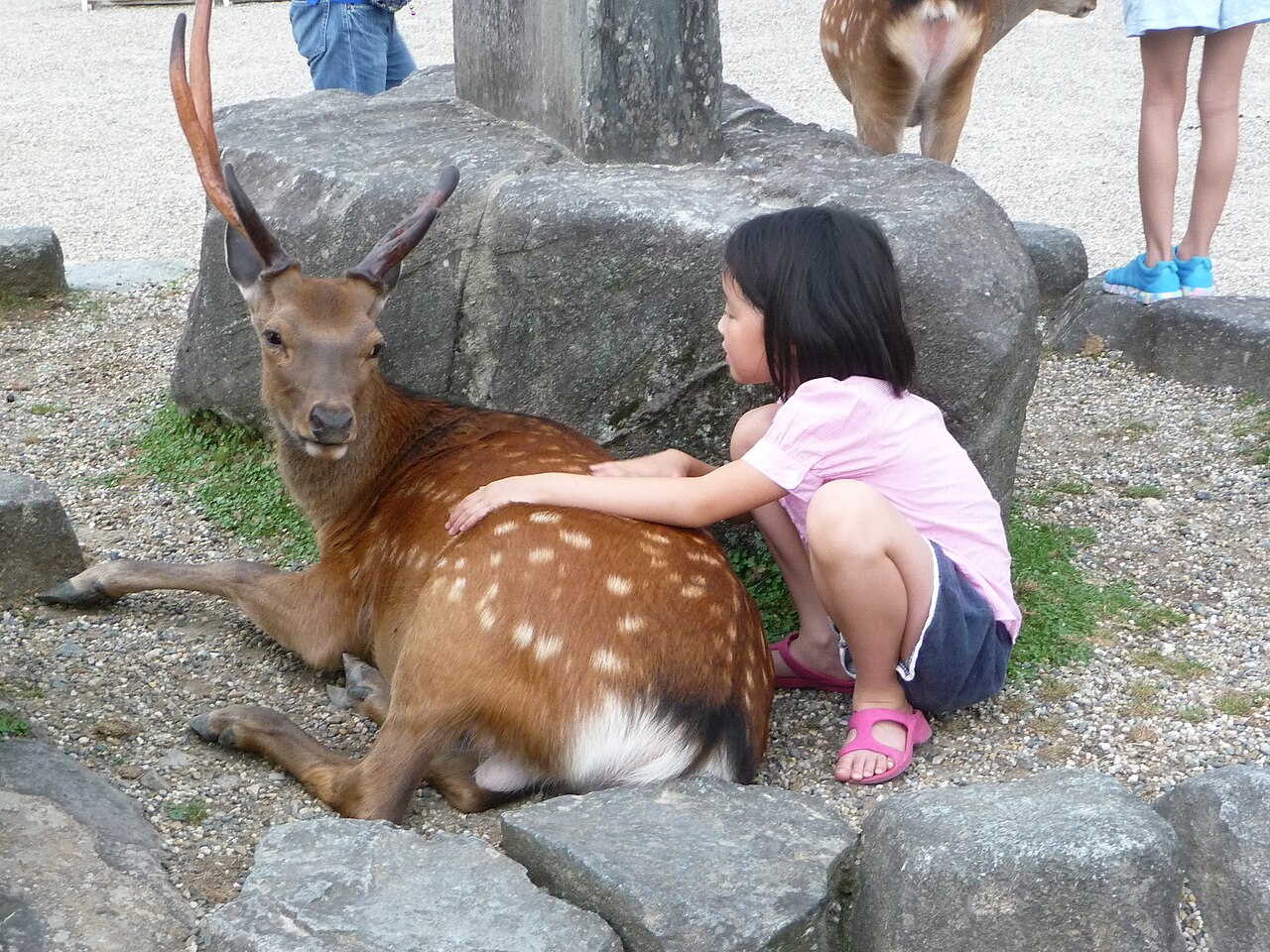
Ancient Nara's central walking area links Todaiji, Nara Park, Kasuga Taisha, Kofukuji, and Naramachi from Kintetsu Nara Station.
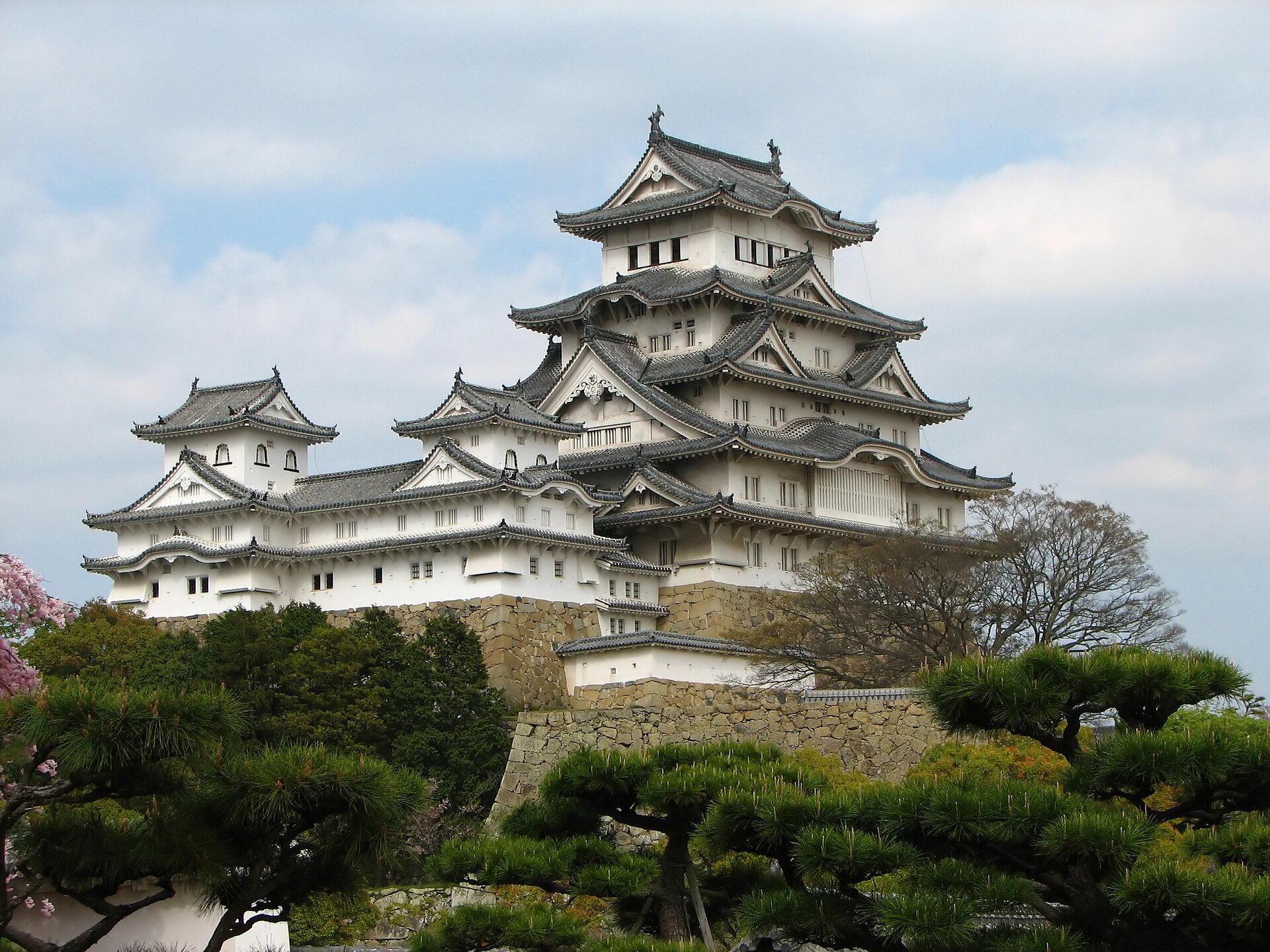
A castle city combining Himeji Castle, Kokoen, Mt. Shosha, a history museum, and station streets—even on a Shinkansen stopover.