Shinjuku Area Guide
Plan Shinjuku by station exit, with major sights, daytime gardens, skyline views, shopping, food alleys, and practical night advice.
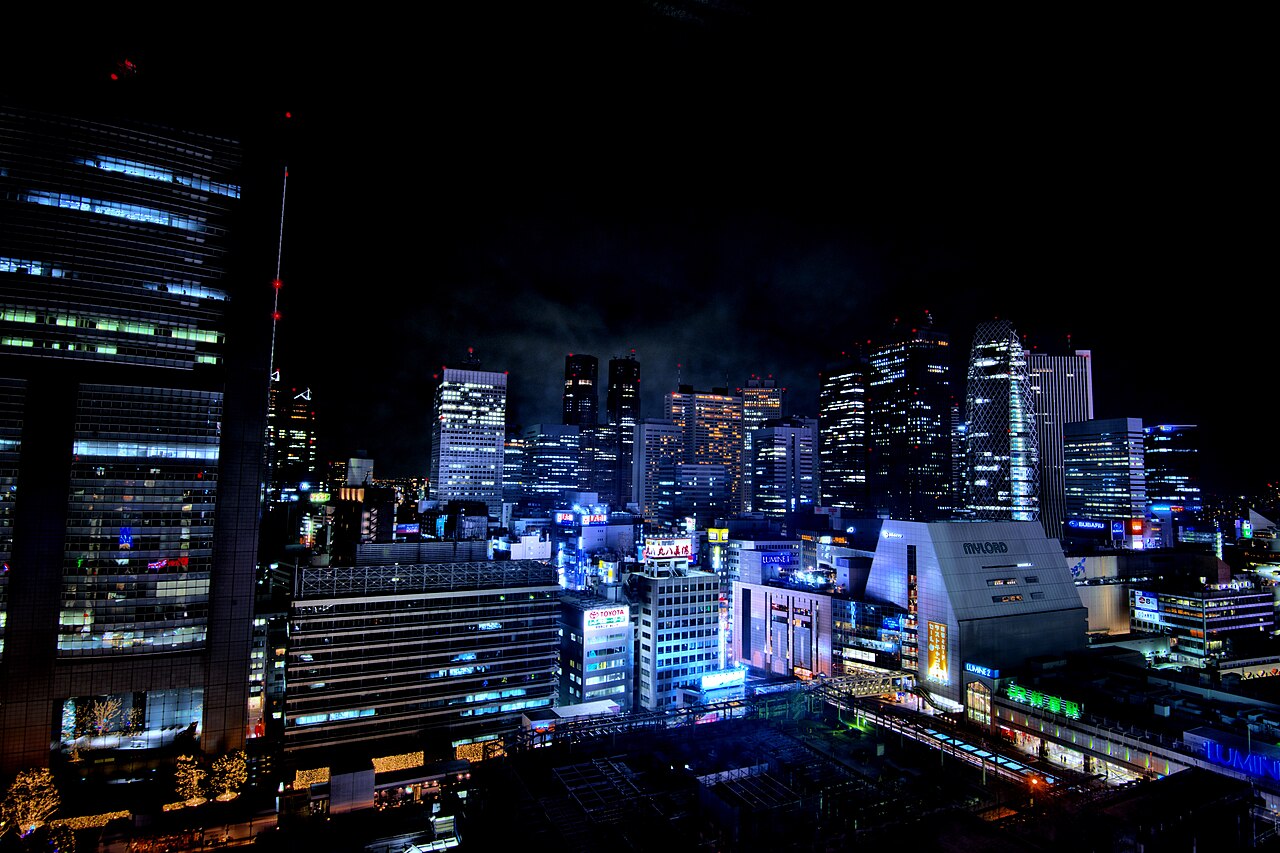
What Shinjuku is like
Shinjuku changes character by exit: skyscrapers and the government district to the west, major department stores to the east and south, Kabukicho to the northeast, and Shinjuku Gyoen to the southeast. Decide on your first stop before leaving the station because crossing the station complex can take longer than expected.
A balanced first visit combines either Shinjuku Gyoen or the Metropolitan Government observatory in daylight with shopping or a clearly chosen restaurant area in the evening. In nightlife streets, ignore street touts and confirm prices before entering a venue.
Stations and access
Use Shinjuku, Shinjuku-sanchome, Seibu-Shinjuku, Shinjuku-nishiguchi, or Tochomae depending on the first stop. Shinjuku-sanchome is useful for the garden and eastern shopping area, while Tochomae is closest to the government buildings.
Major places to visit
Shinjuku Gyoen National Garden
A large national garden with lawns, formal garden areas, seasonal scenery, and a greenhouse. It is one of the easiest places to slow down near central Shinjuku; check opening days and visitor rules before going.
Official information →Tokyo Metropolitan Government Building Observatories
An observation stop in the west Shinjuku skyscraper district with broad views across Tokyo. Tochomae Station is the most direct access; confirm current opening information before visiting.
Official information →Hanazono Shrine
A compact shrine between Shinjuku-sanchome and Kabukicho that provides a striking contrast with the surrounding entertainment district. Treat the grounds as an active place of worship, especially during events.
Official information →Kabukicho
Tokyo's best-known nightlife district, filled with cinemas, restaurants, hotels, and late-night entertainment. It is fine to walk the main streets, but avoid touts and choose a venue with clear prices and reviews.
Official information →Shinjuku Golden Gai
A dense network of tiny bars with very different themes, seating rules, and cover charges. Check whether a bar welcomes first-time international visitors and confirm the charge before sitting down.
Official information →Omoide Yokocho
A compact food alley near the west side of Shinjuku Station, known for small counters and closely packed restaurants. It works best for solo travelers or small groups because seating is limited.
Official information →Shinjuku Central Park
A public park beside the west Shinjuku skyscrapers, useful as a calm stop before or after the government observatories. It is also a practical place to pause away from the station crowds.
Official information →A practical route
- Morning: walk through Shinjuku Gyoen or start at the Metropolitan Government observatory
- Afternoon: explore department stores and the Shinjuku-sanchome side
- Evening: choose one area—Omoide Yokocho, Kabukicho, or Golden Gai—rather than rushing through all three
Before you go
- Choose the correct station side before following a specific exit number
- Check the last train and return route before entering nightlife streets
- For a short visit, choose either the garden or the observatory rather than forcing both
Opening hours, prices, tickets, and temporary closures can change. Check each official website before visiting.