Nagasaki travel guide: sights and a practical walking route
A hillside city where streetcars connect the Peace Park, Atomic Bomb Museum, Dejima, Glover Garden, Oura Church, and Mt. Inasa.
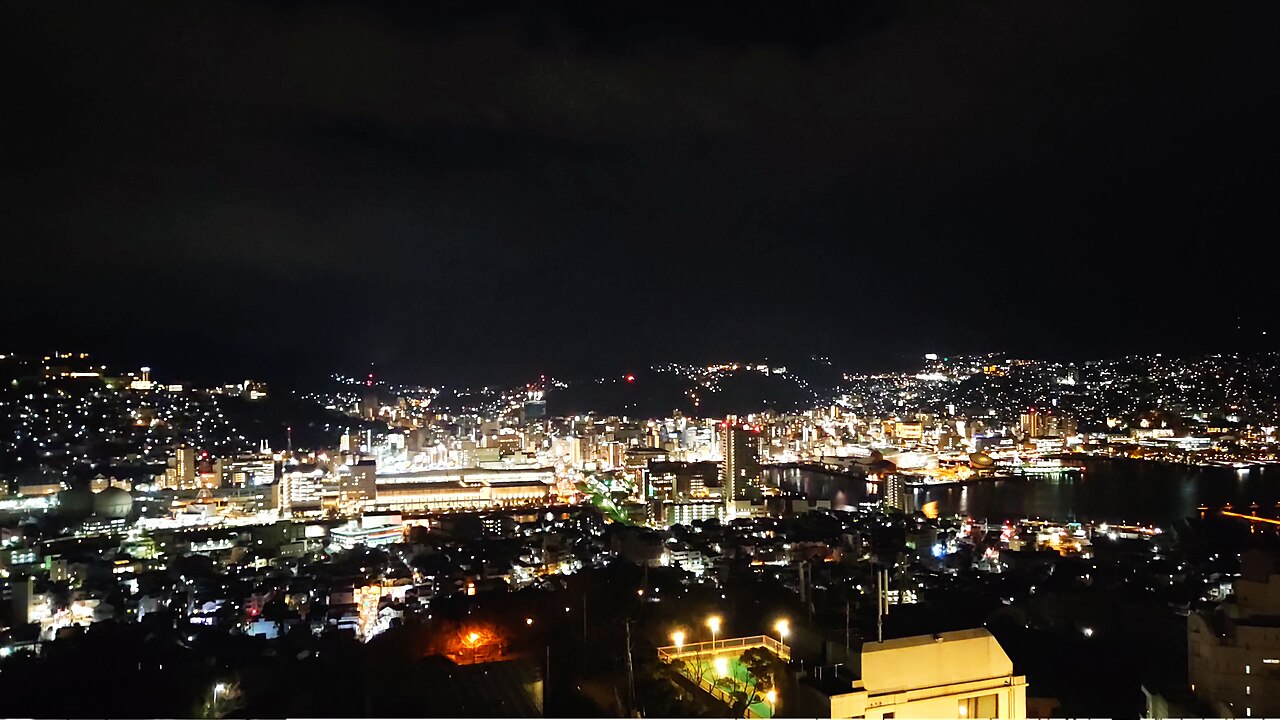
What Nagasaki is like
The Peace Park lies north of Nagasaki Station and Dejima-South Yamate to the south. Split the day and walk the steep southern district in daylight.
The Atomic Bomb Museum is substantial and deserves a break afterward. Mt. Inasa depends on weather and transport, so do not make the night view the only objective.
Stations and access
Use streetcars from Nagasaki Station to the Peace Park and Oura Church areas. Check transfer stops and line numbers.
Major places to visit
Nagasaki Atomic Bomb Museum
Presents bombing artifacts and recovery history. Allow enough viewing and recovery time.
Official information →Nagasaki Peace Park
Contains the Peace Statue and memorials and should be visited respectfully.
Official information →Glover Garden
A hillside garden of Western residences and harbor views, with substantial elevation changes.
Official information →Oura Cathedral
A historic active church where quiet and interior rules must be respected.
Official information →Dejima
Reconstructed buildings interpret Edo-period foreign exchange. Check seasonal evening access.
Official information →A practical route
- Morning: visit the Atomic Bomb Museum and Peace Park
- Afternoon: streetcar south for Dejima and South Yamate
- Evening: see Oura and Glover Garden, then consider a viewpoint if clear
Before you go
- Schedule a quiet break after the Atomic Bomb Museum
- Pack and dress for steep streets
- Check Mt. Inasa transport on the day
Opening hours, prices, tickets, and temporary closures can change. Check each official website before visiting.