Kamakura travel guide: sights and a practical walking route
A historic city connecting Tsurugaoka Hachimangu, the Great Buddha, Hasedera, temple gardens, and shopping streets by local rail, bus, and walking.
What Kamakura is like
Komachi Street and Wakamiya-oji form two routes between Kamakura Station and Tsurugaoka Hachimangu. The Great Buddha and Hasedera lie around Hase Station and should be treated as a separate cluster.
Temples sit within residential streets. Keep entrances and lanes clear, never enter private property, and follow each temple's photography rules.
Stations and access
Use JR Kamakura as the center, the Enoden for Hase, and buses for Hokokuji. On congested weekends, distinguish walkable sections from bus-dependent ones.
Major places to visit
Tsurugaoka Hachimangu
Kamakura's central shrine. Festivals and New Year periods bring controlled routes and long worship queues.
Official information →Kotoku-in Great Buddha
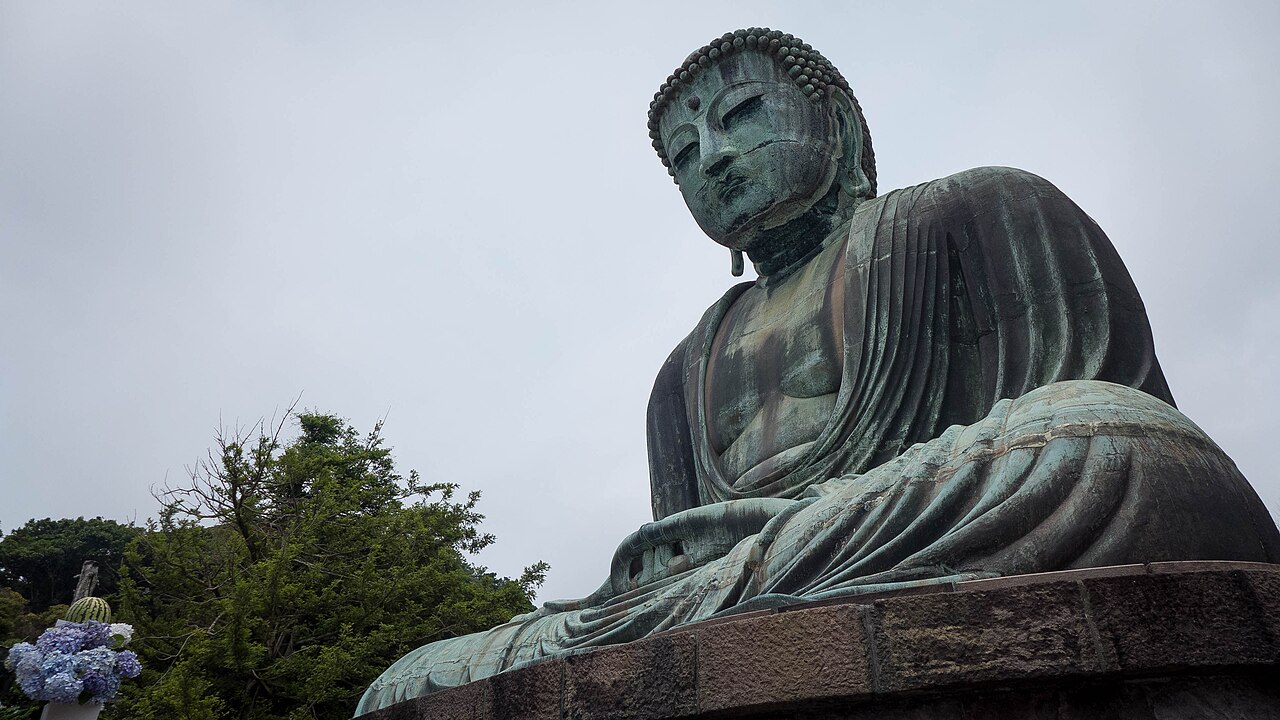
A temple famous for its outdoor Great Buddha. Check whether interior entry is operating and the final admission time.
Official information →Hasedera Temple
Offers a Kannon hall, gardens, and sea views. Hydrangea season uses exceptional entry and waiting procedures.
Official information →Komachi Street
A busy shopping street from the station toward the shrine. Eat inside or in designated areas rather than blocking pedestrian flow.
Official information →Hokokuji Temple
A temple known for its bamboo garden, requiring bus travel from Kamakura Station and attention to final entry.
Official information →A practical route
- Morning: walk via Komachi Street to Tsurugaoka Hachimangu
- Midday: take the Enoden to Hase for the Great Buddha and Hasedera
- Afternoon: return to central Kamakura or add Hokokuji if buses fit
Before you go
- Allow for weekend queues on the Enoden and buses
- Visit temples before shopping because gates close early
- Do not block residential lanes for photographs
Opening hours, prices, tickets, and temporary closures can change. Check each official website before visiting.