Hakone travel guide: sights and a practical walking route
A mountain hot-spring area where trains, cable cars, ropeways, boats, and buses connect museums, volcanic scenery, a lake, and shrines.
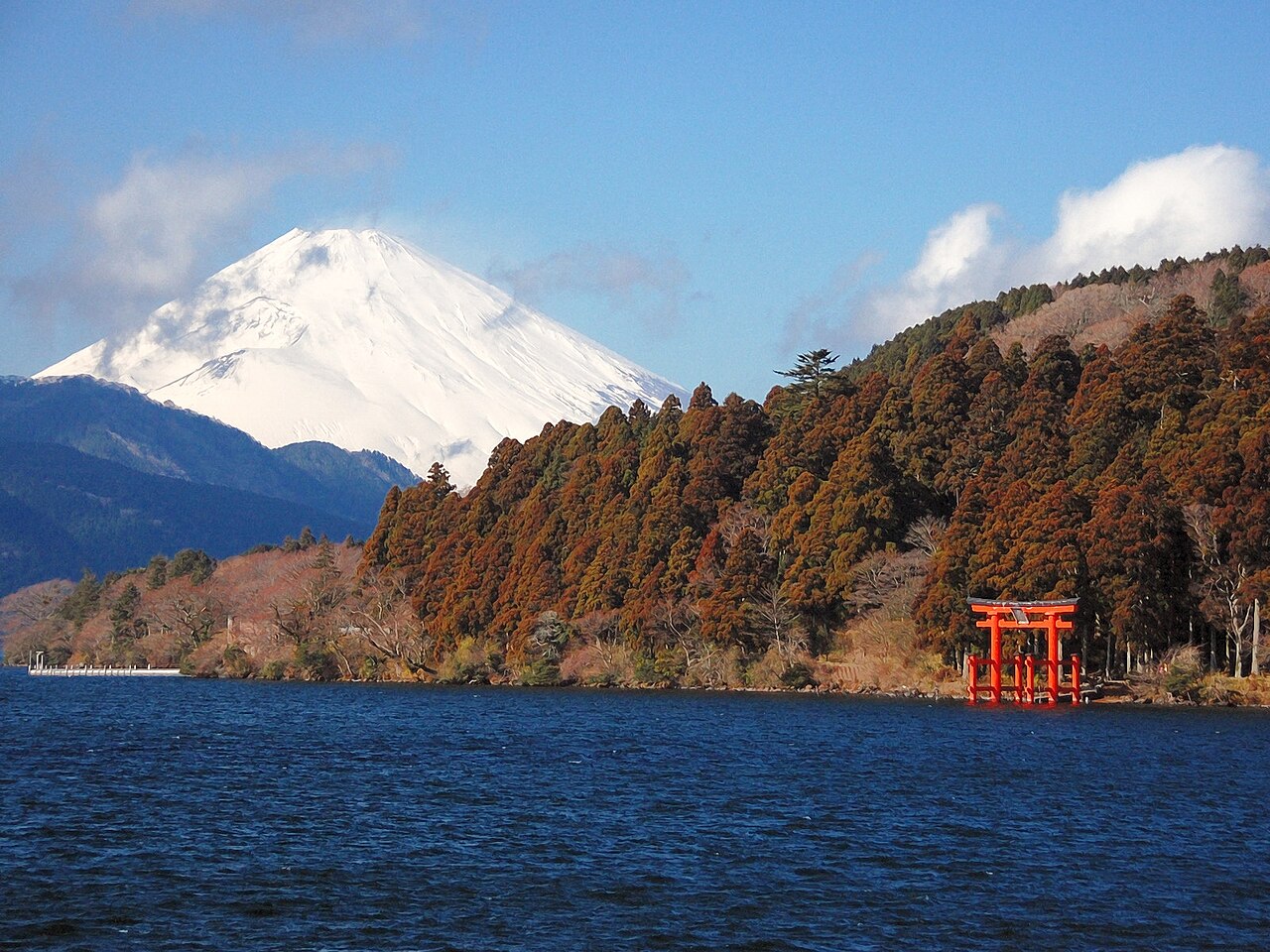
What Hakone is like
Hakone is not a single walkable town around Hakone-Yumoto; each sight requires onward transport. The classic loop works only when services run normally, so be ready to reverse or shorten it.
For a day trip, fix the return time to Odawara or Hakone-Yumoto first. More than one major museum often leaves too little time for both travel and viewing.
Stations and access
Enter through Hakone-Yumoto, continue to Gora by mountain railway, and connect to cable car, ropeway, boat, and bus. Check same-day operations.
Major places to visit
Hakone Open-Air Museum
A large site combining outdoor sculpture and galleries. Dress for outdoor movement even in rain or snow.
Official information →Owakudani
A high-altitude volcanic area where gas levels, weather, and ropeway status can change access.
Official information →Lake Ashi and Sightseeing Cruise
A scenic transport leg across Lake Ashi. Confirm ports and final sailings, and treat Mt. Fuji visibility as weather-dependent.
Official information →Hakone Shrine
A cedar-lined shrine known for its lakeside torii. Keep the approach clear even when the photo queue is long.
Official information →Pola Museum of Art
A modern and contemporary art museum with a forest trail. Check bus frequency and exhibition-change closures.
Official information →A practical route
- Morning: travel from Hakone-Yumoto to the Open-Air Museum or Gora
- Midday: continue through Owakudani to Lake Ashi if services operate
- Afternoon: cross by boat, visit Hakone Shrine, and return by bus
Before you go
- Check ropeway, boat, and mountain-railway status together
- Limit a day trip to one major museum
- Store large luggage rather than carrying it around the loop
Opening hours, prices, tickets, and temporary closures can change. Check each official website before visiting.