Atami travel guide: sights and a practical walking route
A seaside hot-spring city combining beach, art museum, historic villa, and shrine across steep terrain best handled by buses.
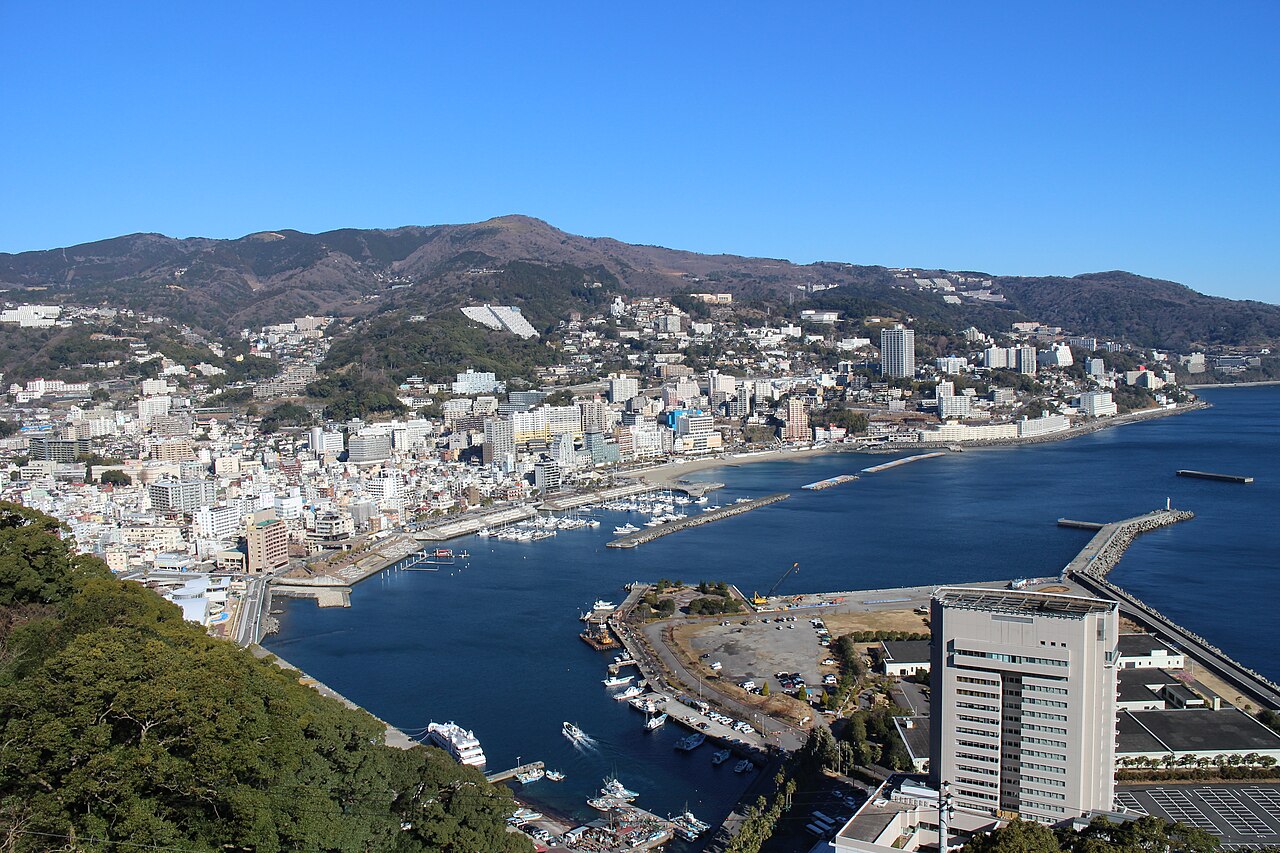
What Atami is like
The route from Atami Station descends sharply to the sea and climbs on return. Use a bus one way rather than judging only by map distance.
MOA Museum, Kinomiya Shrine, and the waterfront lie in different directions. Confirm final entry for day-use bathing first.
Stations and access
Use local buses from Atami Station and arrange walks downhill where possible. Store large luggage.
Major places to visit
MOA Museum of Art
A hilltop museum of East Asian art with sea views. Check exhibition rotations and bus access.
Official information →Atami Sun Beach
The central urban beach with seasonal swimming and weather rules.
Official information →Kiunkaku
A former villa and inn with Japanese-Western interiors and gardens.
Official information →Kinomiya Shrine
Known for a giant camphor tree and closer to Kinomiya Station than Atami Station.
Official information →Atami Castle
A modern tourist viewpoint rather than a historic reconstructed castle. Check transport.
Official information →A practical route
- Morning: bus uphill to MOA Museum
- Afternoon: descend for Kiunkaku and Sun Beach
- Evening: choose Kinomiya Shrine or a day bath
Before you go
- Store luggage at the station
- Check bath final admission
- Review transport controls on fireworks nights
Opening hours, prices, tickets, and temporary closures can change. Check each official website before visiting.